

Let’s get one thing straight: you were not born to be a sponge for everybody else’s unhealed mess. If you’ve ever second-guessed yourself because of a side-eye, a snide comment, or that one family member who projects like it’s their full-time job, this blog post is for you. Taking on other people’s insecurities is a fast track to self-doubt. This includes insecurities about how you look, who you love, or how you live. It also leads to emotional burnout. We’re exploring why this happens. We will discuss what science says about it and what scripture says about it. Additionally, we’ll cover how to stop dimming your light for folks who haven’t even found their switch yet.
Insecurity Is Not Contagious—So Don’t Catch It
People who are deeply insecure often unintentionally (or very intentionally, let’s be real) project their issues onto others. But just because someone else is uncomfortable with your confidence, ambition, or boundaries doesn’t mean you have to shrink.
Psychologists call this projection—a defense mechanism where individuals attribute their own unwanted feelings to someone else (Baumeister & Vohs, 2007). You ever been told you were “too much” by someone who couldn’t even handle themselves? That’s not a reflection of you. That’s projection with a capital P. When we internalize their judgment, we risk making their fear our reality. And their fear wasn’t meant to fit your future.
Key Takeaway: Insecurity is their wound. You don’t need to make it your identity.
The Psychology Behind Absorbing Other People’s Energy
So why do we do it? Why do we internalize other people’s doubts as our own? Enter the concept of emotional contagion—the psychological phenomenon where people “catch” emotions from others through mimicry and empathy (Hatfield et al., 1994). This means that if you’re a naturally empathetic person (which, let’s be honest, most of you reading this are), you may be especially vulnerable to adopting other people’s emotional states—even the toxic ones.
Empathy is beautiful, but unchecked empathy without boundaries is a recipe for exhaustion. According to research from the University of Wisconsin, chronic exposure to negative emotional states can actually rewire your brain to mirror those states as your own (Decety & Jackson, 2004). Translation: hanging around people who stay in fear and self-doubt can subconsciously teach you to do the same.
Key Takeaway: Just because you feel their energy doesn’t mean you have to keep it.
You Don’t Need Permission to Be Secure
Let me be clear: you don’t need validation from someone who hasn’t even validated themselves. Seeking approval from people who are triggered by your growth is like asking someone on crutches to critique your marathon form.
This is where self-concept clarity comes into play. People with strong self-concept clarity—meaning they know who they are and are consistent in that identity—are less likely to be swayed by external negativity (Campbell et al., 1996). So instead of asking, “What will they think of me if I do this?” start asking, “What will I think of me if I don’t?” You weren’t called to dim your light so someone else can stay comfortable in the dark.
Key Takeaway: Your security isn’t up for public debate. Period.
What Does Research Say About Not Absorbing Insecurities?
Here’s where it gets juicy. A 2014 study published in Emotion found that people who regularly practice emotional regulation—especially cognitive reappraisal—are less likely to internalize negative emotional cues from others (Gross & John, 2003). Cognitive reappraisal is the process of reframing a situation in your mind before it takes root in your emotions. So when someone hits you with a sideways “Oh, you really think you can do that?” instead of spiraling, you say, “Yes, actually. And I will.”
Further, a study in Personality and Social Psychology Review emphasized the power of self-affirmation practices in building resistance to negative social cues (Sherman & Cohen, 2006). When we affirm our worth consistently, we’re less vulnerable to the world’s attempts to make us question it.
Research Recap: Science says self-assurance isn’t just cute—it’s protective.
Biblical Insight on Emotional Boundaries and Identity
Let’s not forget, the Good Book been told us:
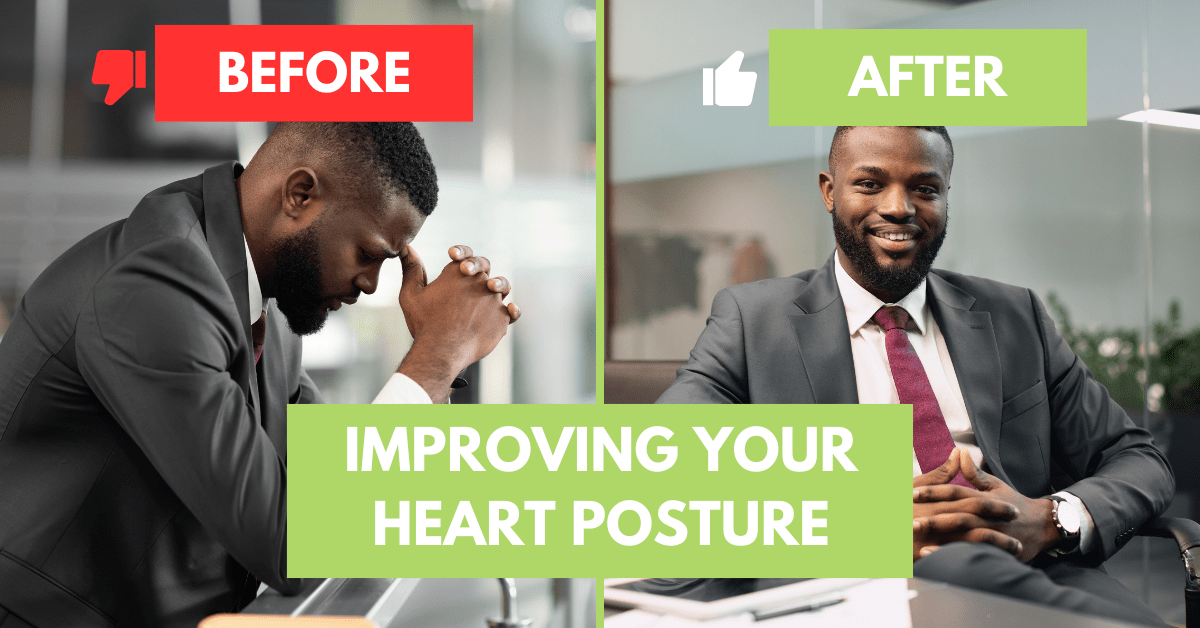
“Above all else, guard your heart, for everything you do flows from it.” — Proverbs 4:23 (NIV)
That means being mindful about what and who you allow to influence your inner world. Guarding your heart isn’t about building walls—it’s about using discernment. Not every voice deserves your inner ear. Jesus walked with sinners, but He didn’t let their struggles redefine His purpose. Neither should you.
Spiritual Note: Boundaries aren’t barriers. They’re biblical.
Journal Prompts: Let’s Process This
- When was the last time I internalized someone else’s insecurity? What was the situation and how did it make me feel?
- What belief about myself might be rooted in someone else’s projection?
- Who in my life tends to trigger self-doubt in me, and why?
- How would I show up if I truly believed that their insecurity is not my responsibility?
- What boundaries can I create this week to protect my emotional peace?
“Don’t download other people’s doubt into your system. You weren’t built for their limitations.” – Veronica Speaks
Conclusion: Stay Rooted in Who You Are
You are not a rehab center for broken identities. You are not responsible for healing wounds you didn’t inflict. And you definitely don’t need to inherit fears just because someone handed them to you wrapped in love, tradition, or concern. It’s not yours. Put it down.
Call to Action
Feeling like you’ve been carrying too much of other people’s baggage? Join my Inner Convo Evolved newsletter circle this month and let’s detox your identity from projection overload.
APA Sources Cited
- Baumeister, R. F., & Vohs, K. D. (2007). Handbook of self-regulation: Research, theory, and applications. Guilford Press.
- Campbell, J. D., Trapnell, P. D., Heine, S. J., Katz, I. M., Lavallee, L. F., & Lehman, D. R. (1996). Self-concept clarity: Measurement, personality correlates, and cultural boundaries. Journal of Personality and Social Psychology, 70(1), 141–156.
- Decety, J., & Jackson, P. L. (2004). The functional architecture of human empathy. Behavioral and Cognitive Neuroscience Reviews, 3(2), 71–100.
- Gross, J. J., & John, O. P. (2003). Individual differences in two emotion regulation processes: Implications for affect, relationships, and well-being. Journal of Personality and Social Psychology, 85(2), 348–362.
- Hatfield, E., Cacioppo, J. T., & Rapson, R. L. (1994). Emotional contagion. Cambridge University Press.
- Sherman, D. K., & Cohen, G. L. (2006). The psychology of self-defense: Self-affirmation theory. Advances in Experimental Social Psychology, 38, 183–242.


 Veronica Speaks
Leave a comment